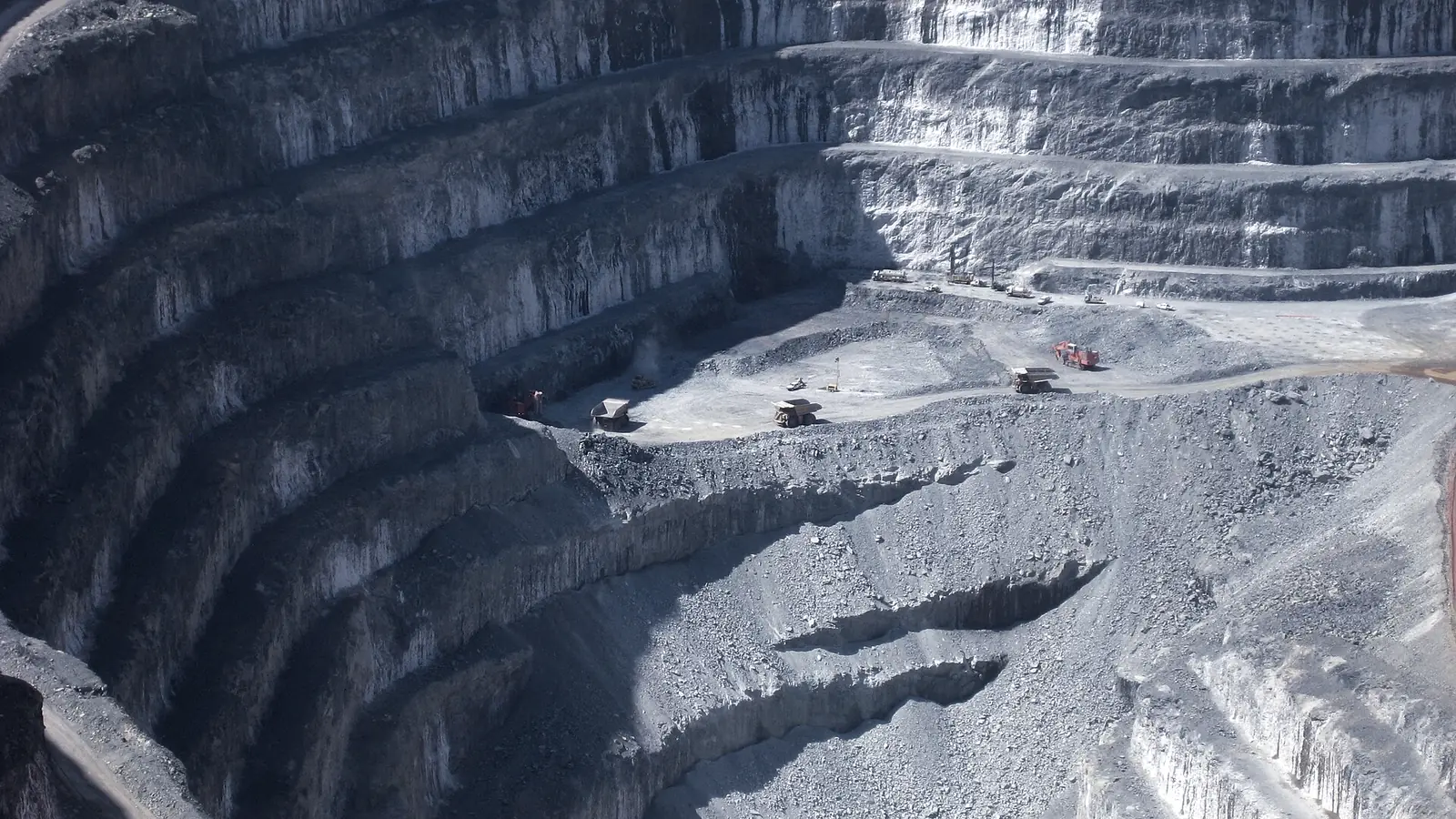
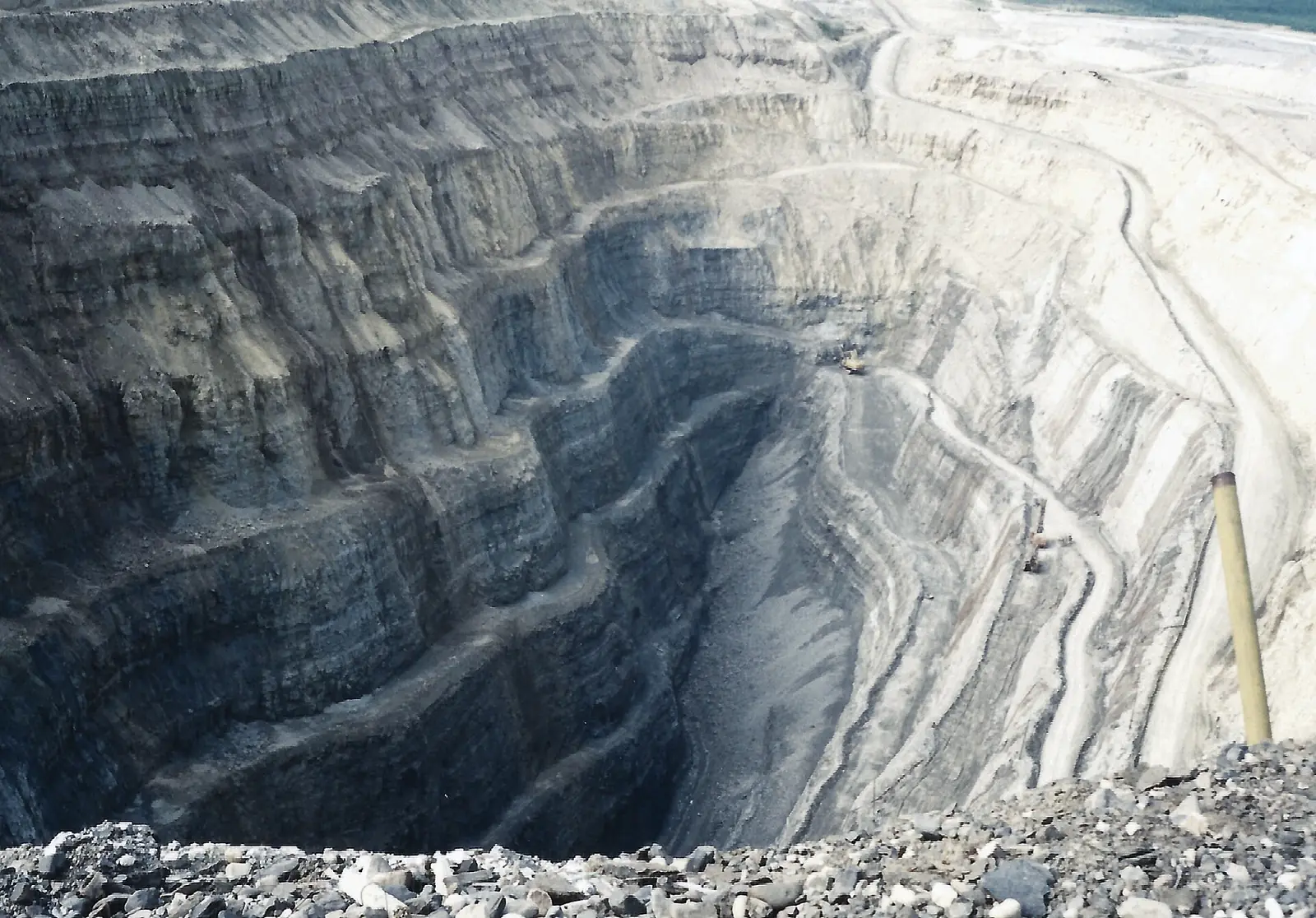
Open pit
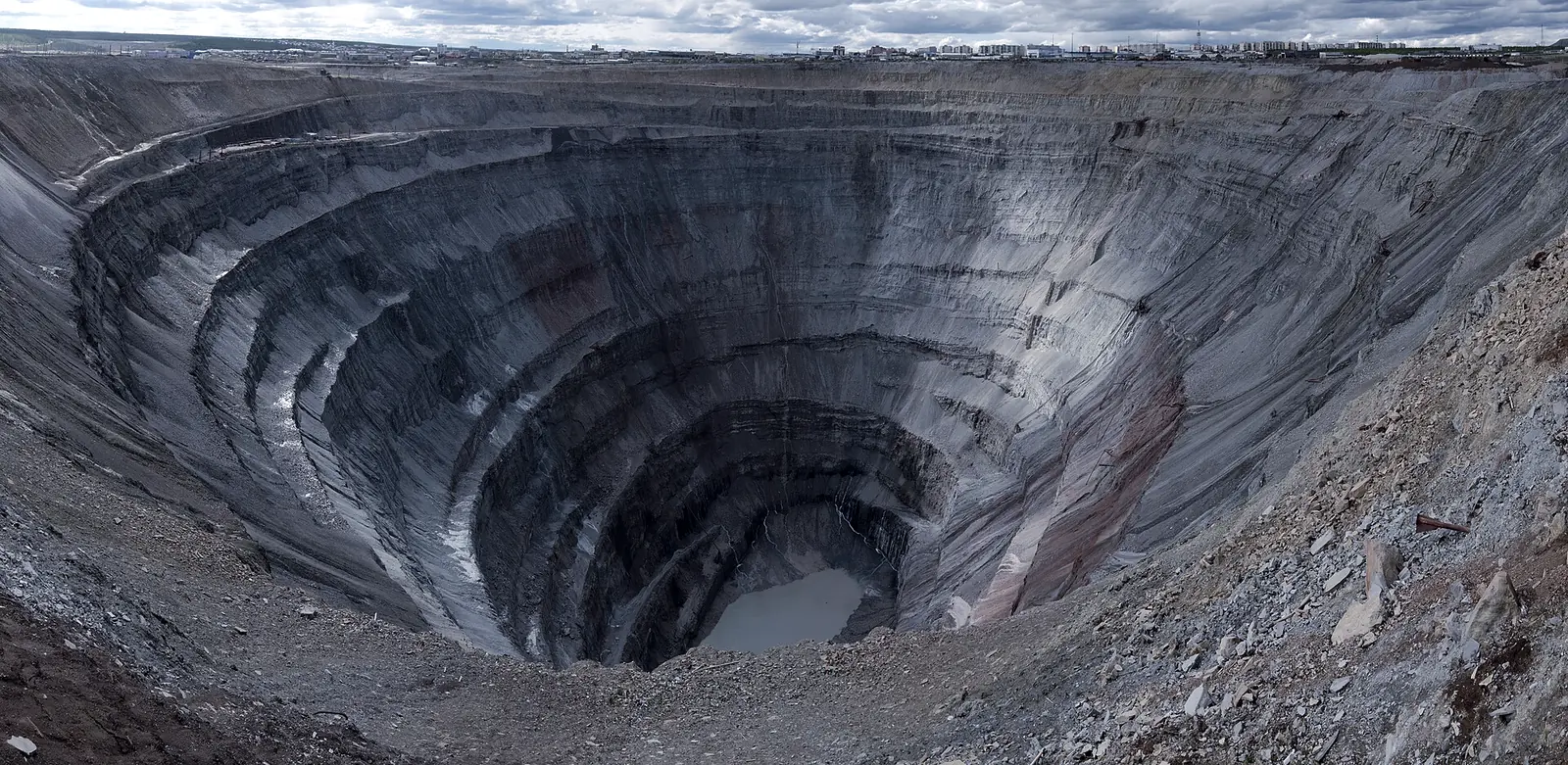
Rock is removed from the surface in benches, using drills, explosives, shovels and haul trucks.
Used for
Gold · Platinum · Diamond · Rare earth metals · Coal
How we source
Seven steps take a mineral from a licensed mine to a buyer's door. This page explains each one in plain words: what happens, which machines are involved, and what we check before anything moves.
Mining methods
Rock is removed from the surface in benches, using drills, explosives, shovels and haul trucks.
Used for
Gold · Platinum · Diamond · Rare earth metals · Coal
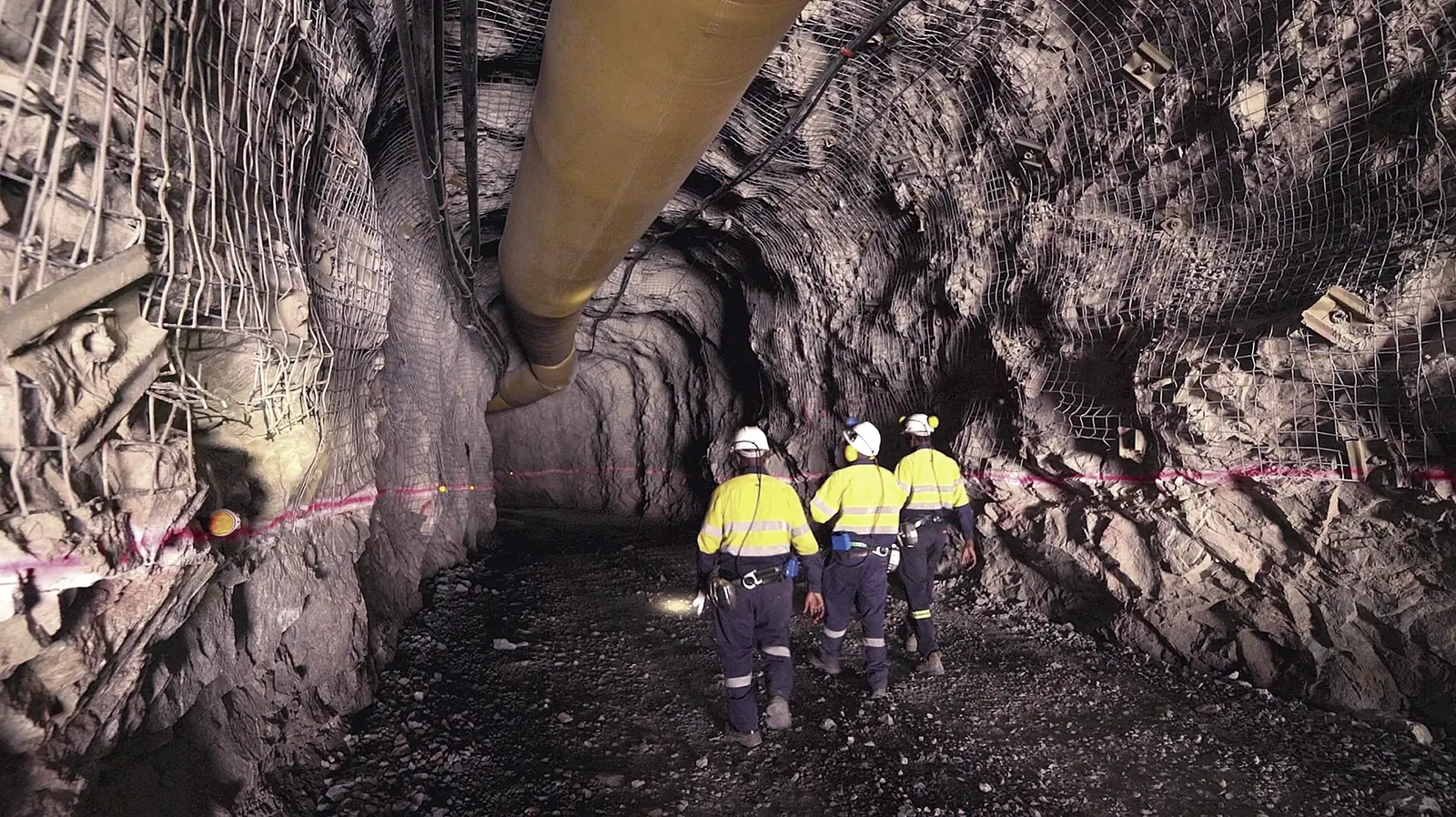
Shafts and tunnels reach ore too deep to dig from the surface. Loaders carry ore to the shaft.
Used for
Gold · Silver · Platinum · Coal
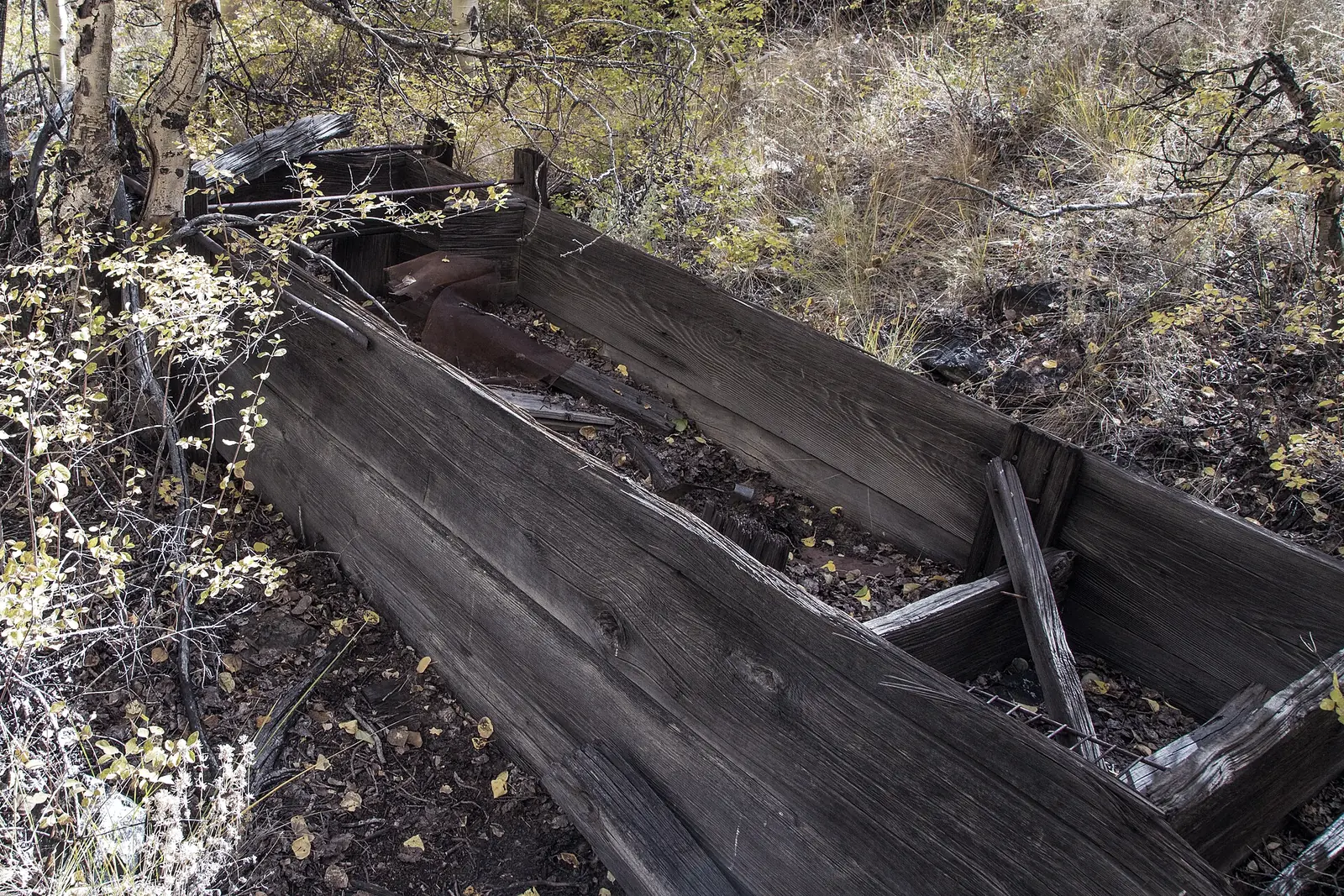
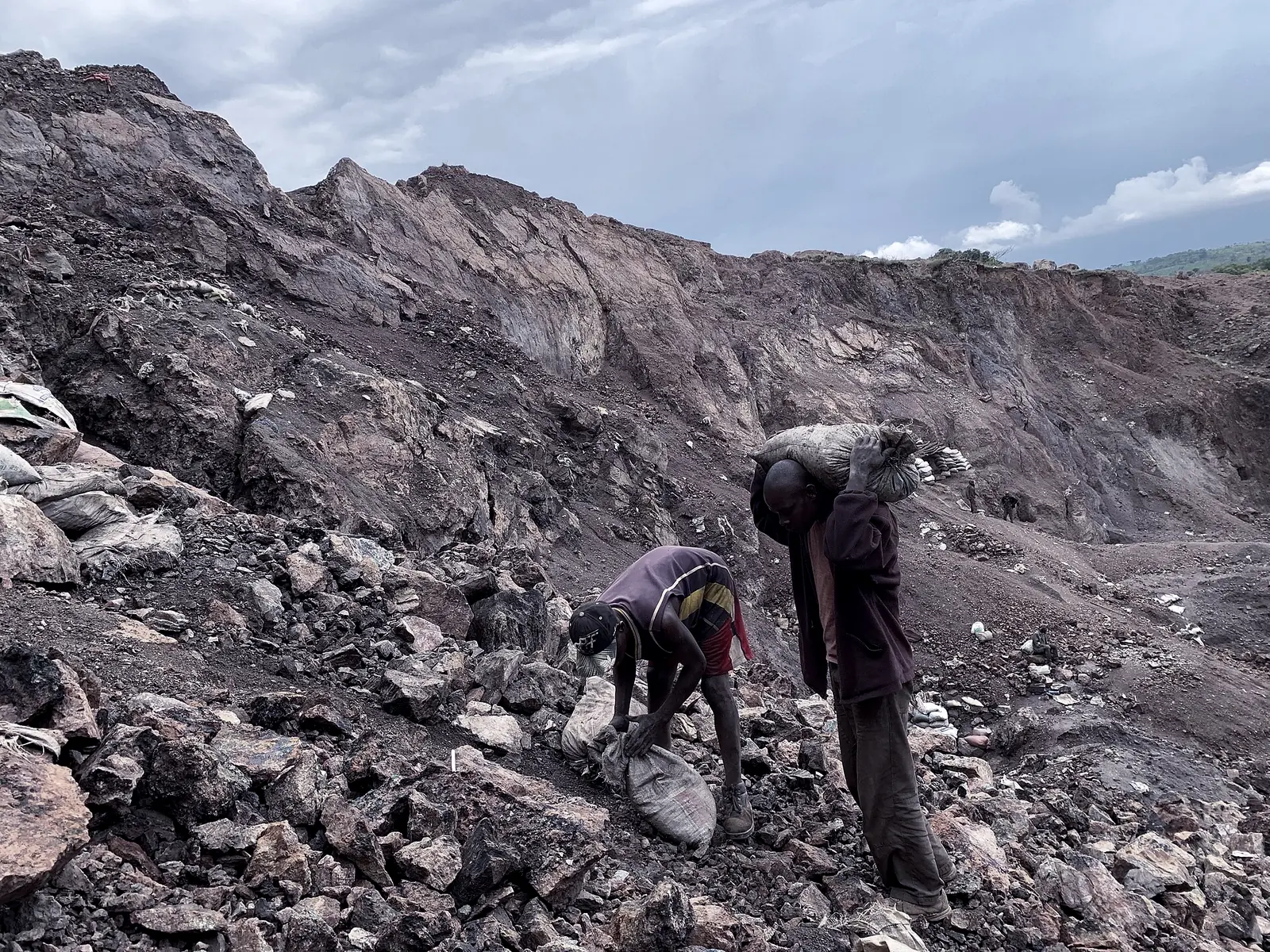
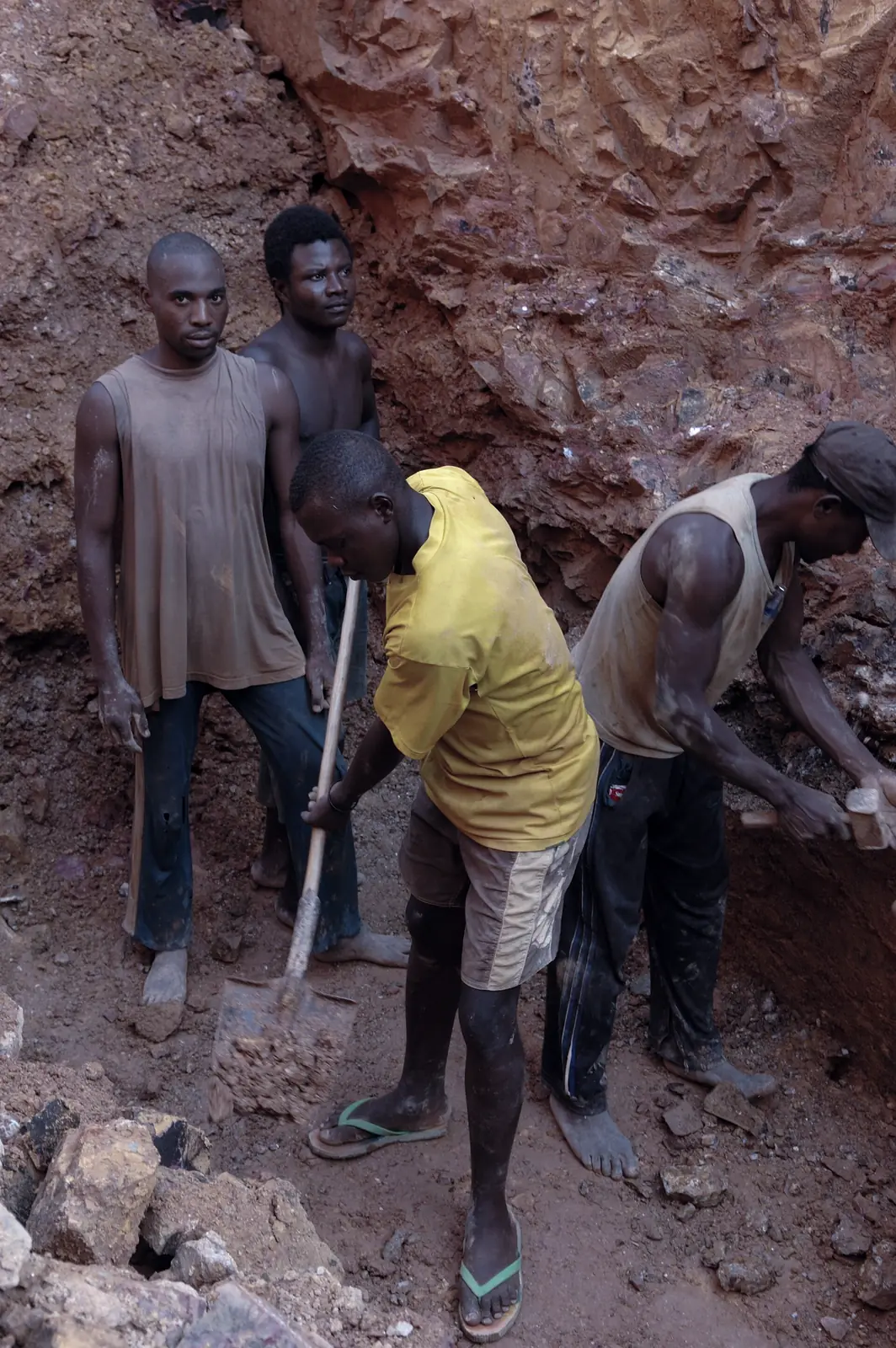
Gold and gems are washed out of river gravels and shallow pits, often by hand with pans and sluices.
Used for
Gold · Diamond · Ruby · Red garnet · Green garnet · Tsavorite
Step 1 of 7 · Explore & license
In short
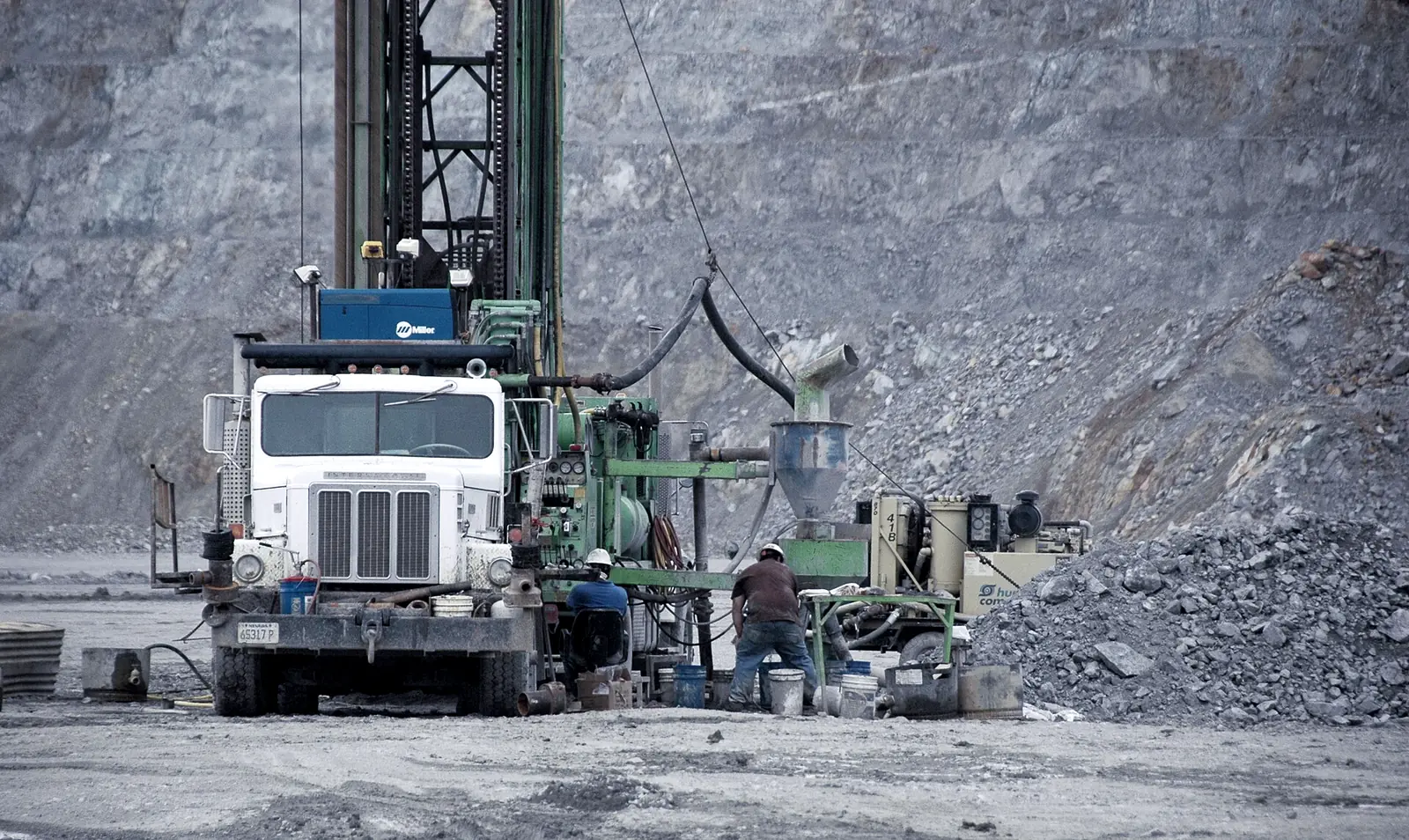
Geologists drill to find out where the mineral is and how much there is. Nothing is mined without a government licence.
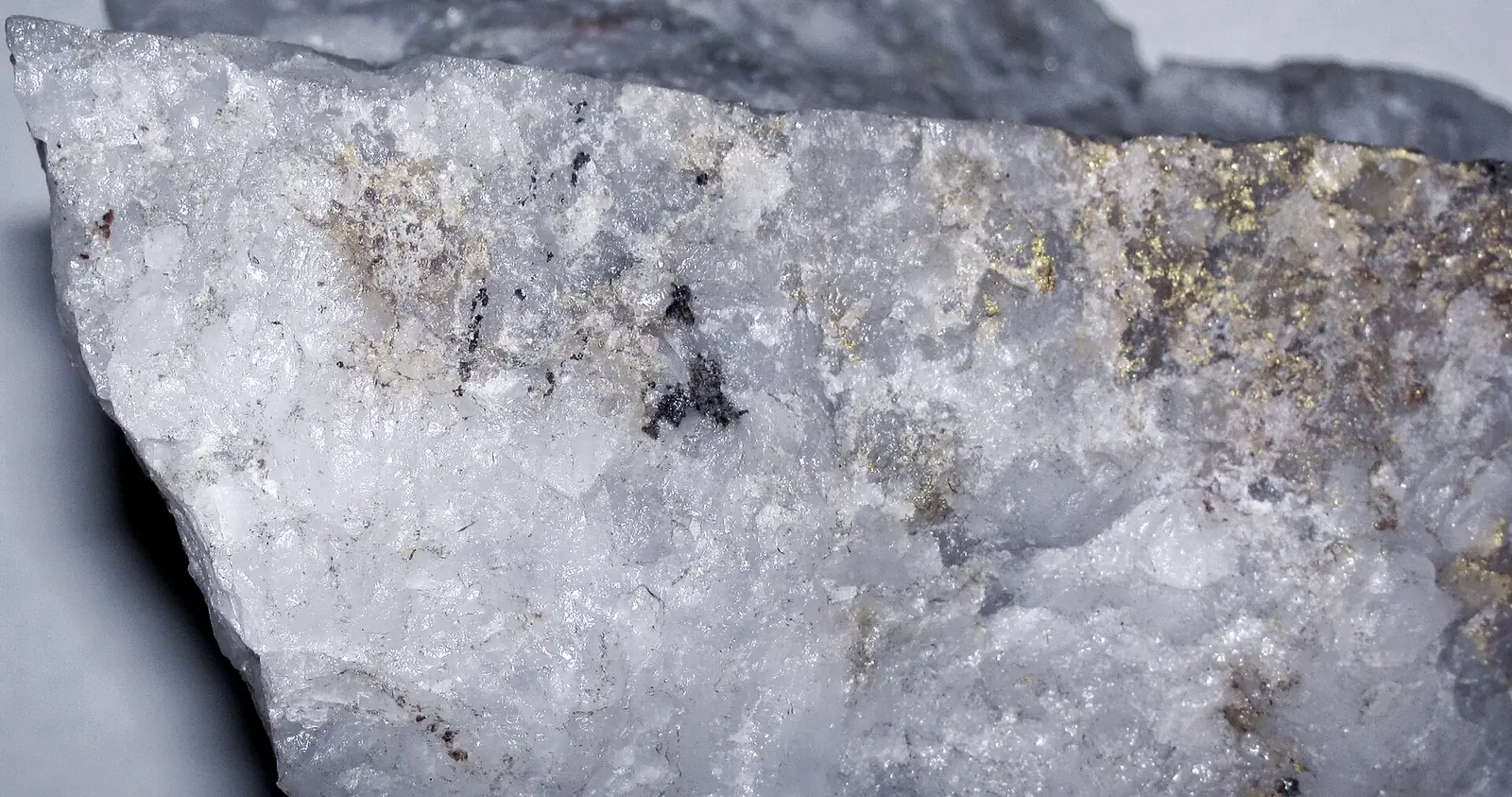
Every mine starts with exploration. Geologists map the rocks, then drill holes to bring up samples from deep underground. Laboratory results show where the mineral is and how rich the rock is.
Before mining can begin, the operator needs a mining licence from the government and, usually, an environmental approval. These are the first documents we ask a supplier for.
What we check
Equipment at this step
Step 2 of 7 · Extract
In short
Depending on the deposit, minerals are dug from open pits, tunnels underground, or washed out of river gravels.
Open-pit mines remove rock in benches, like giant steps, using drills, explosives, shovels and trucks. Underground mines reach deeper ore through shafts and tunnels.
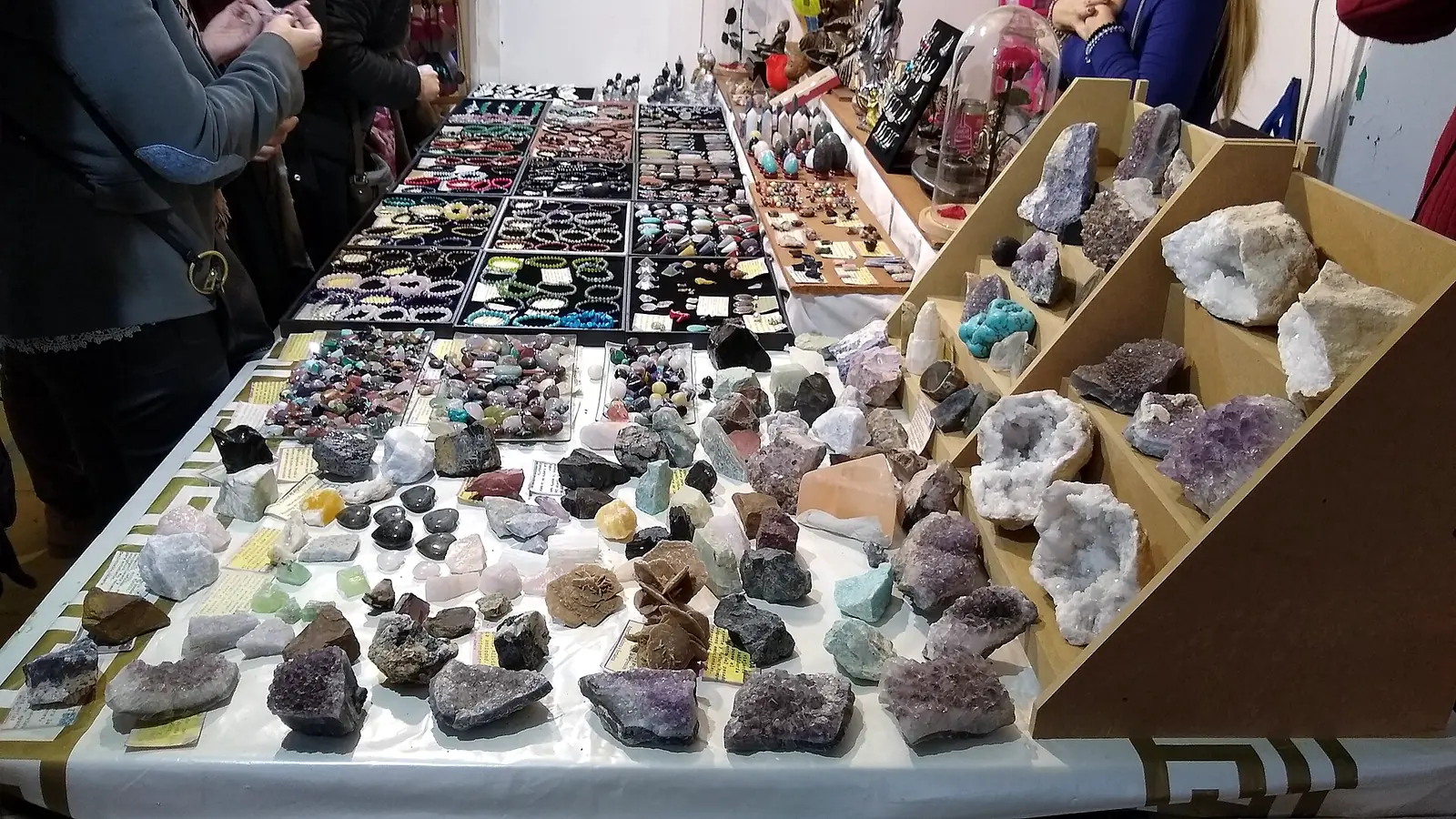
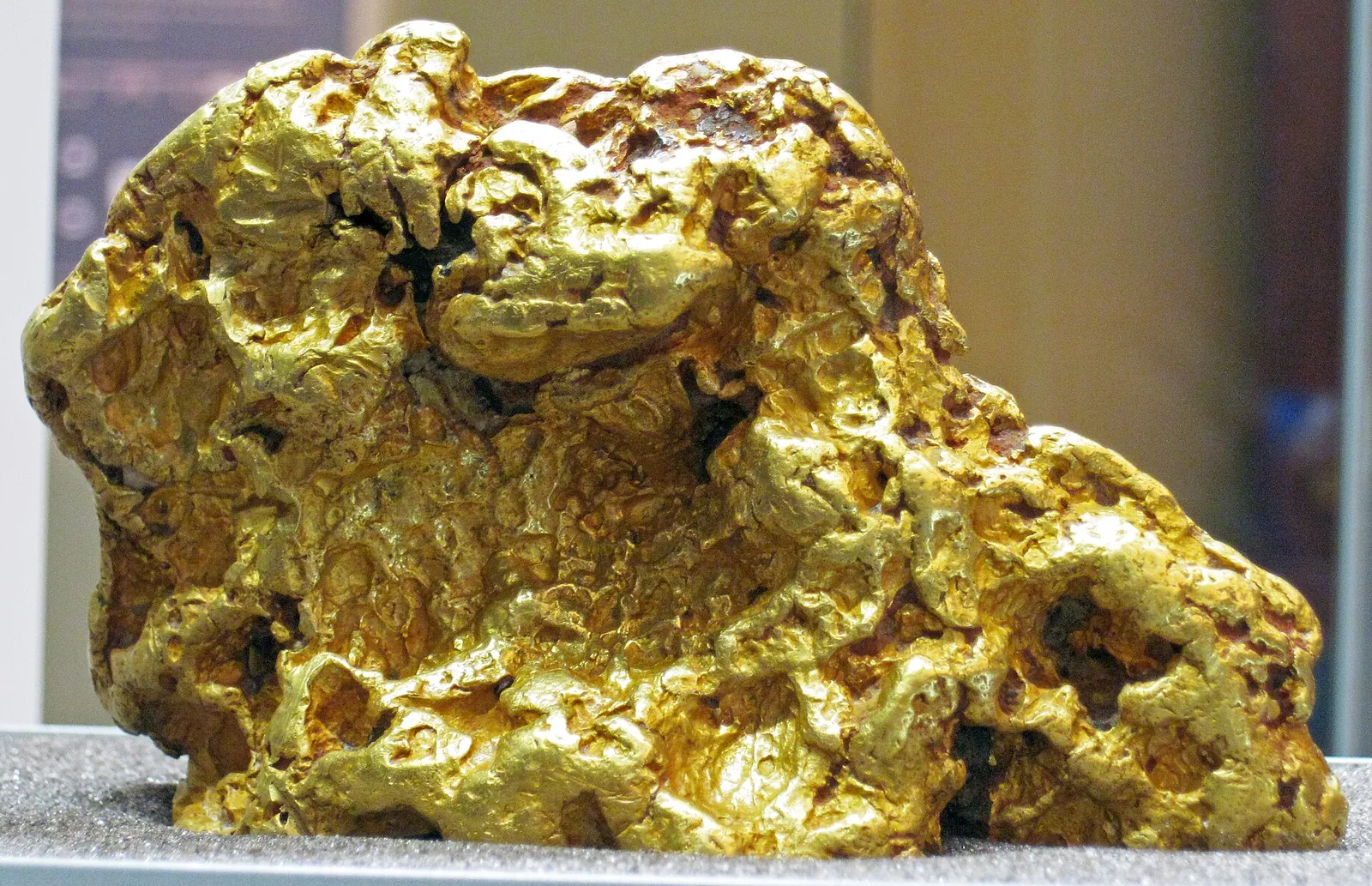
Alluvial and artisanal miners recover gold and gemstones from river gravels and shallow pits, often by hand with pans and sluices. Small-scale mining supports many families, and we only buy from those operating legally.
What we check
Step 3 of 7 · Haul
In short
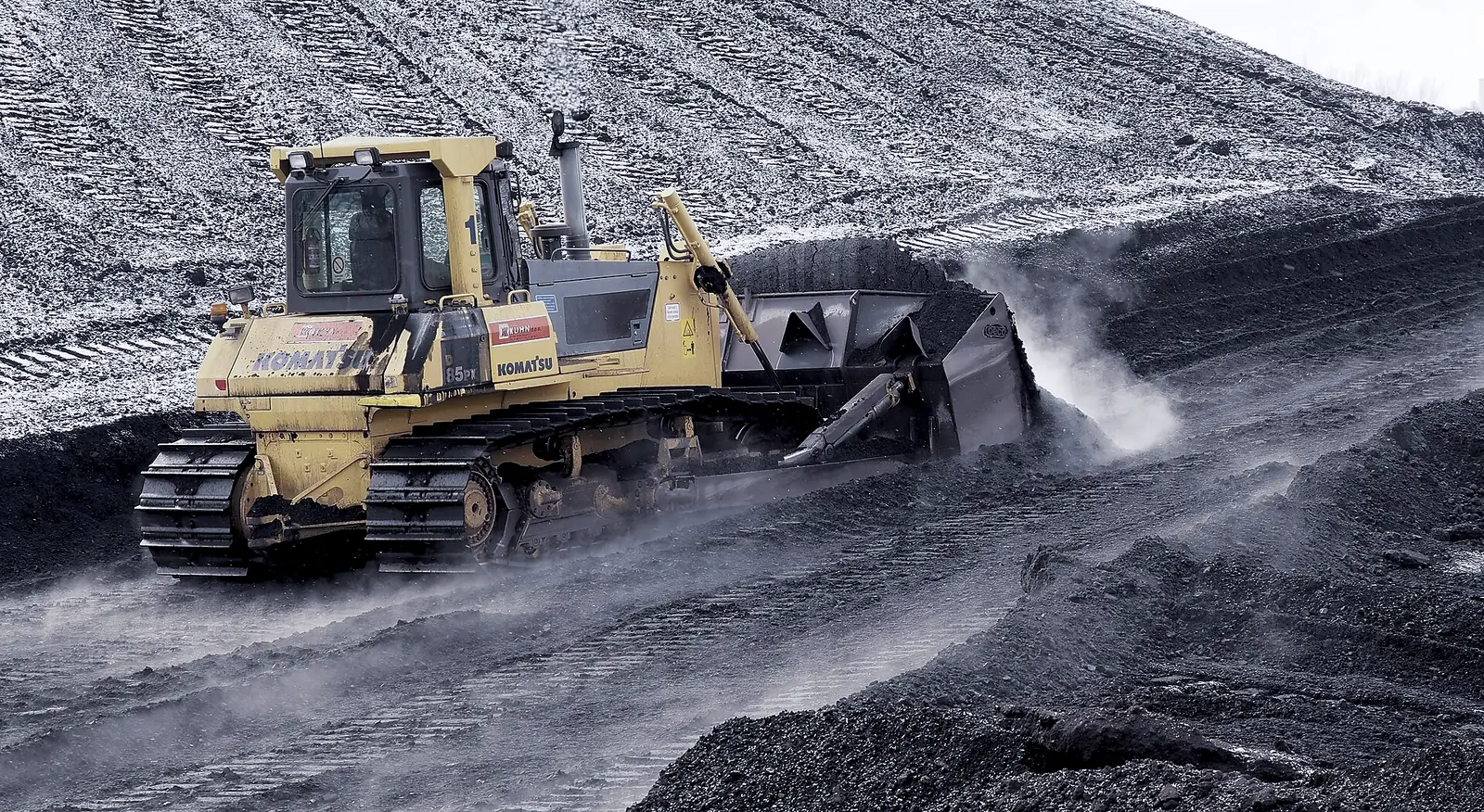
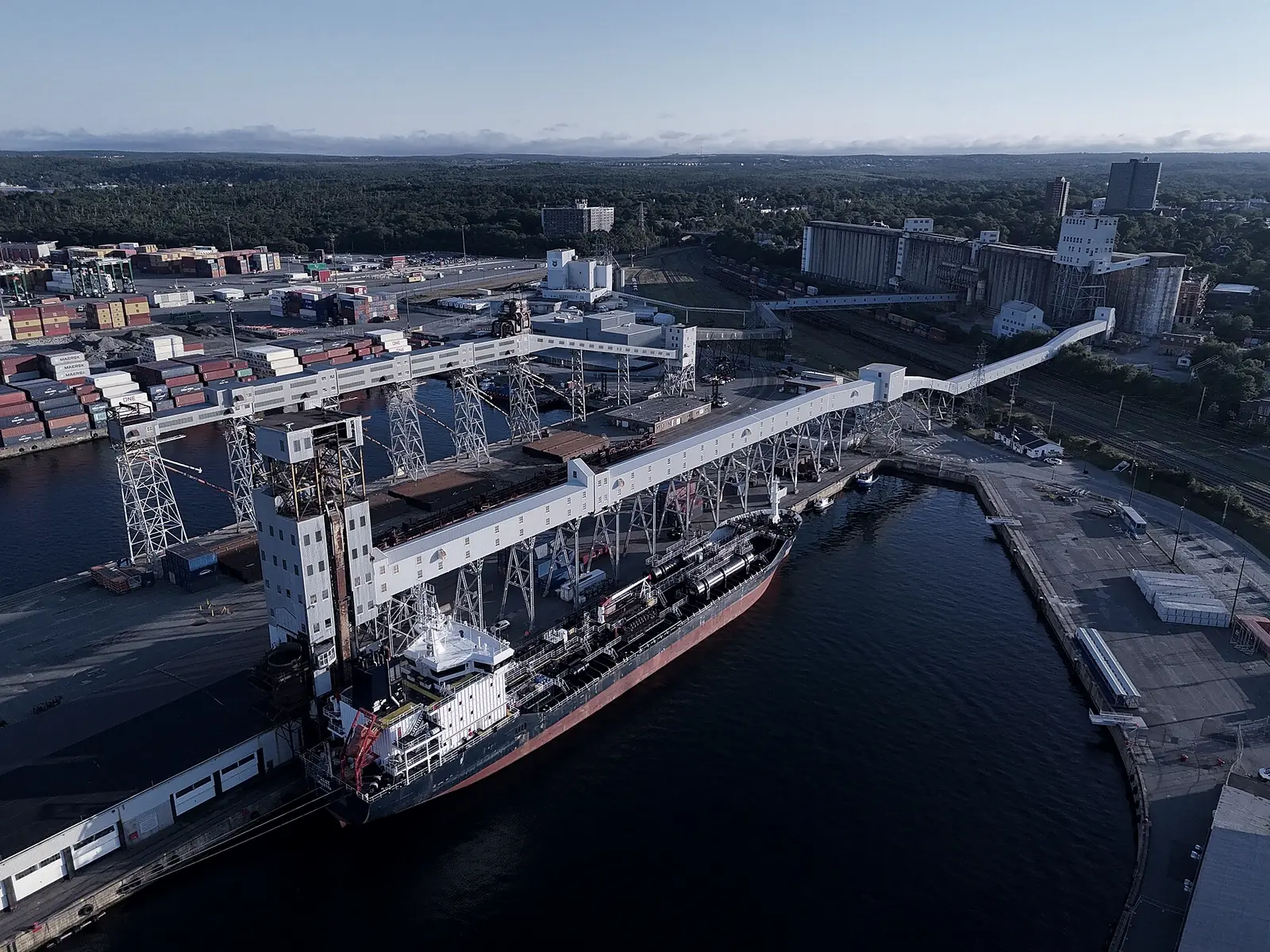
Trucks and conveyors carry broken rock from the mine to the processing plant.
In a large mine, haul trucks carrying up to several hundred tonnes run day and night between the pit and the plant. Conveyors take over on fixed routes because they are cheaper to run.
Gemstone and small gold operations are very different: material may be carried in bags to a washing plant on site.
What we check
Equipment at this step
Step 4 of 7 · Process
In short
Ore is crushed, ground and separated so that only the valuable part is kept and shipped.
Most ore contains only a small amount of valuable mineral. Crushers and mills break it into fine particles. Then the mineral is separated: by weight (gravity), by making it stick to bubbles (flotation), or by hand-sorting for gemstones.
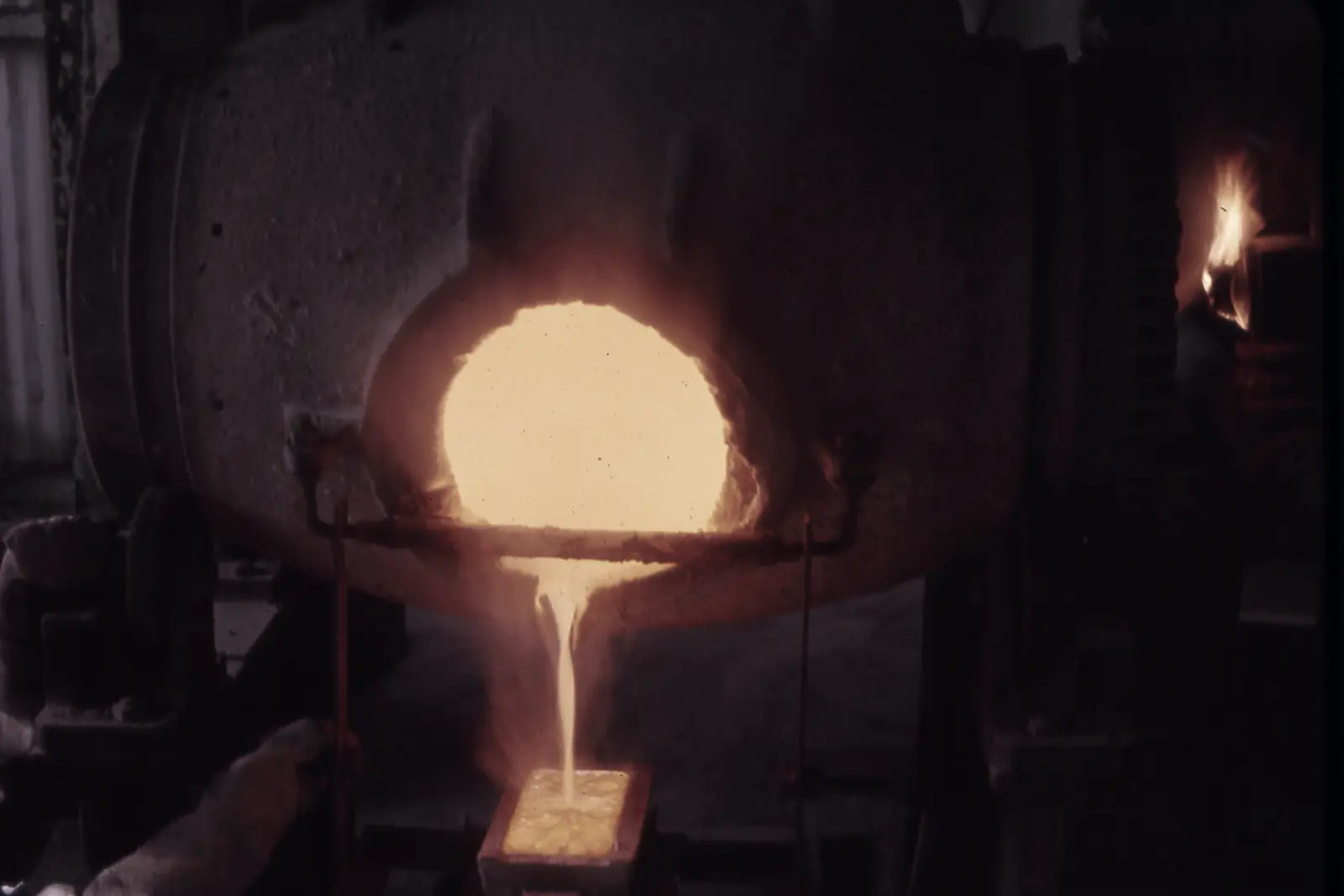
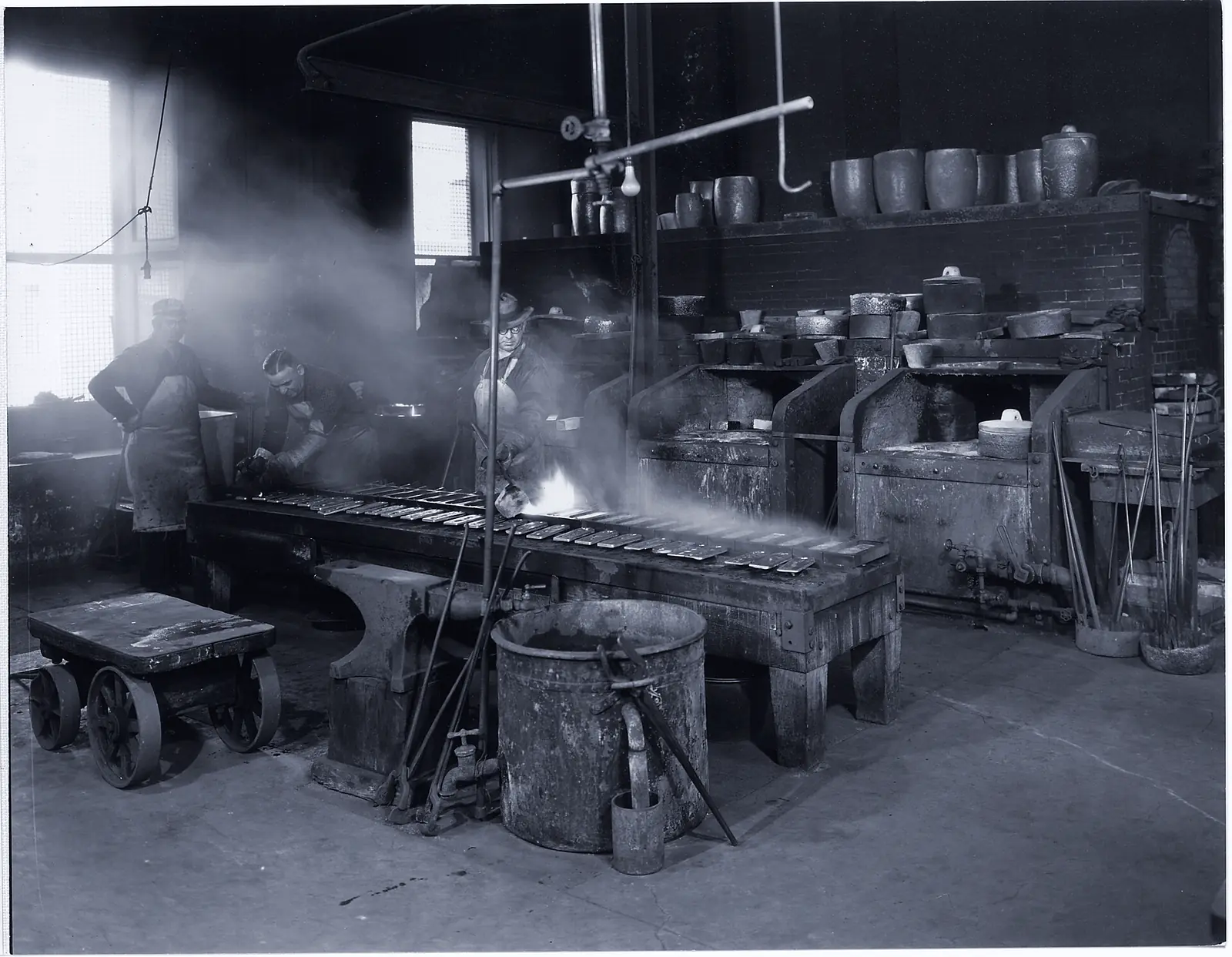
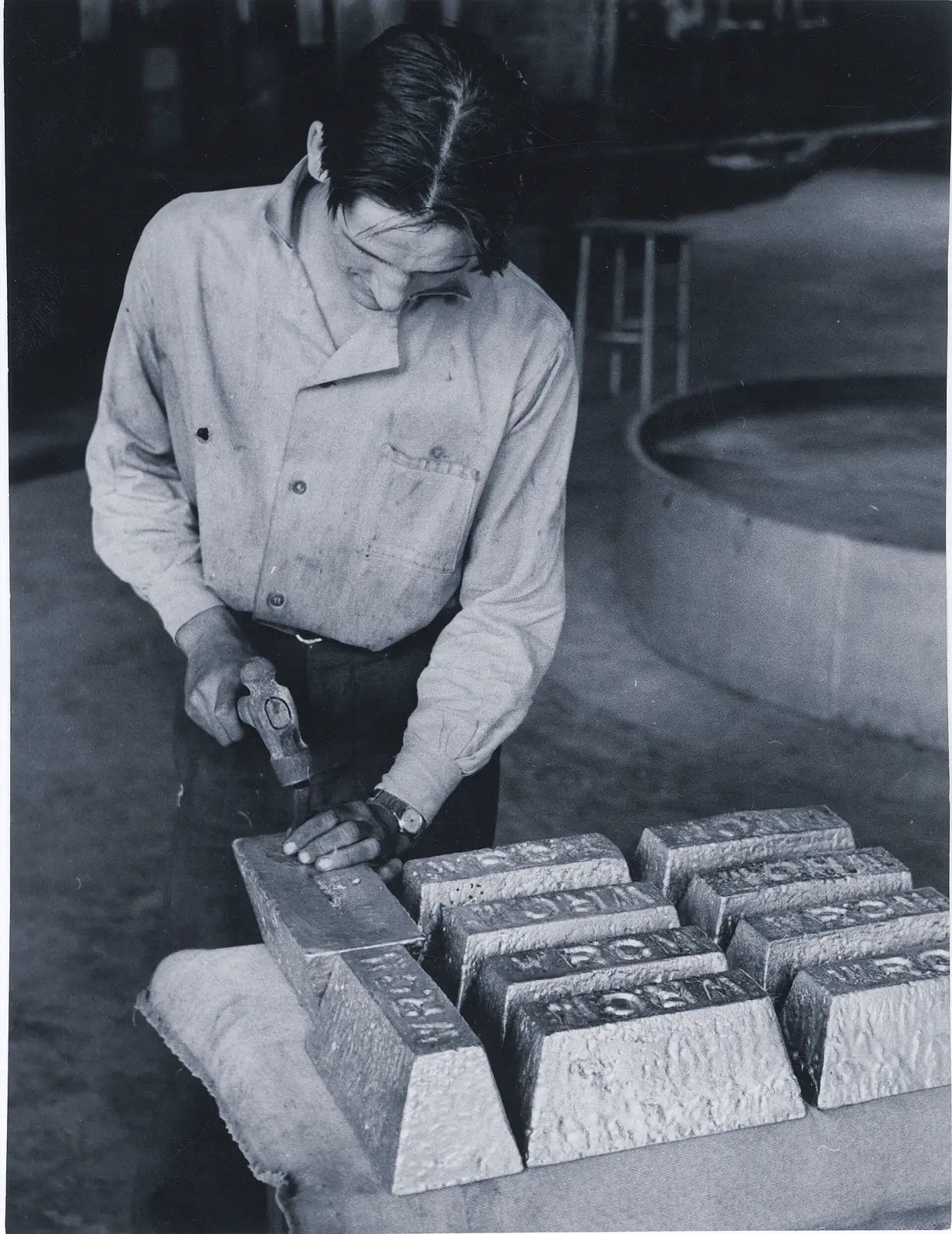
Gold concentrate is smelted and poured into doré bars. Other minerals leave as concentrates or sorted parcels.
What we check
Equipment at this step
Step 5 of 7 · Verify
In short
Accredited laboratories measure purity and grade, and every parcel is weighed on certified scales.
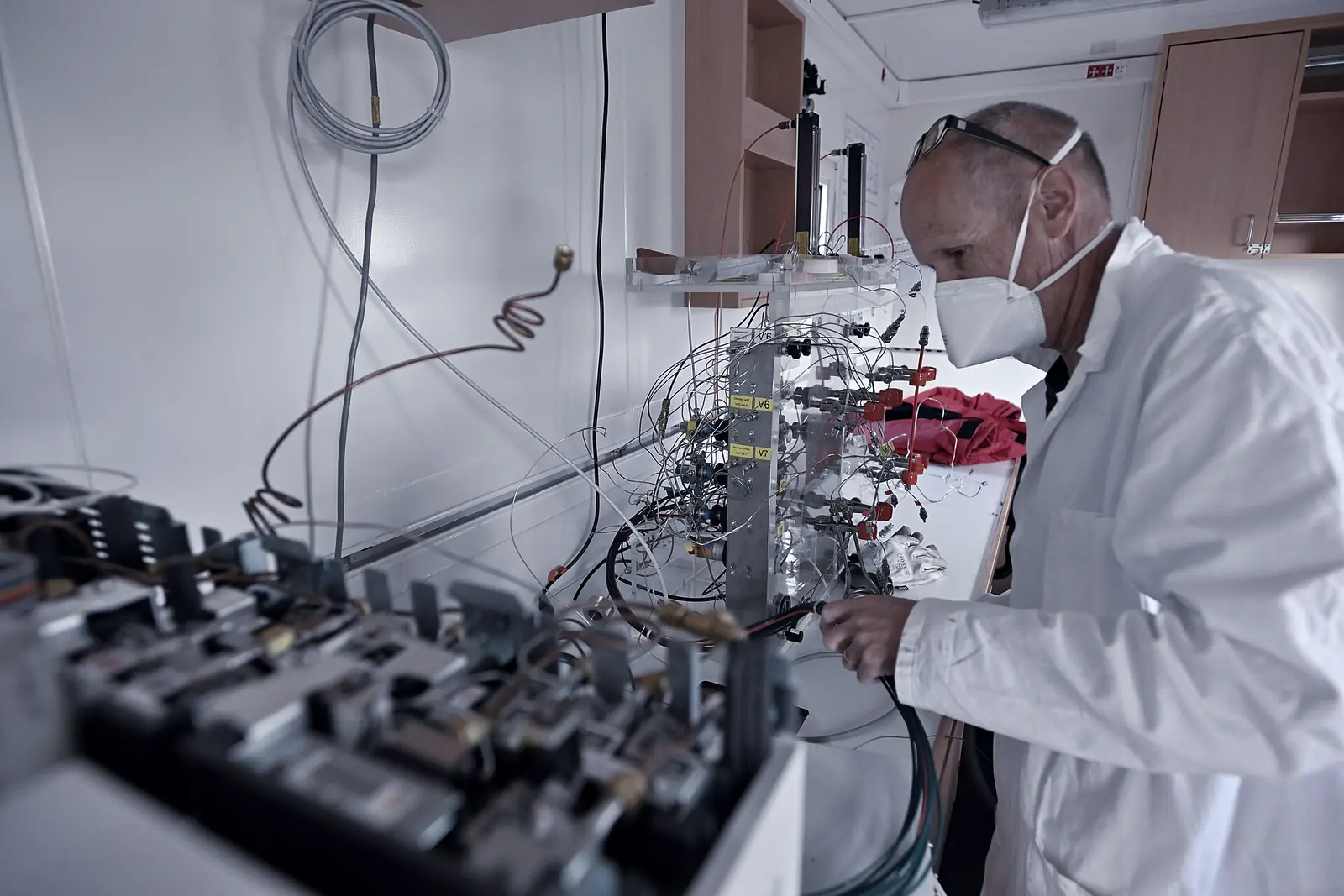
This is the step buyers care about most. Precious metals are measured by fire assay, the reference method. Industrial minerals and coal are analysed in the laboratory. Gemstones are identified and graded by gemmologists.
Buyers can send their own inspector or choose the laboratory. The certificate figures are the figures we trade on.
What we check
Equipment at this step
Step 6 of 7 · Secure & export
In short
Parcels are sealed and insured, export permits are obtained, and goods travel with specialist logistics firms.
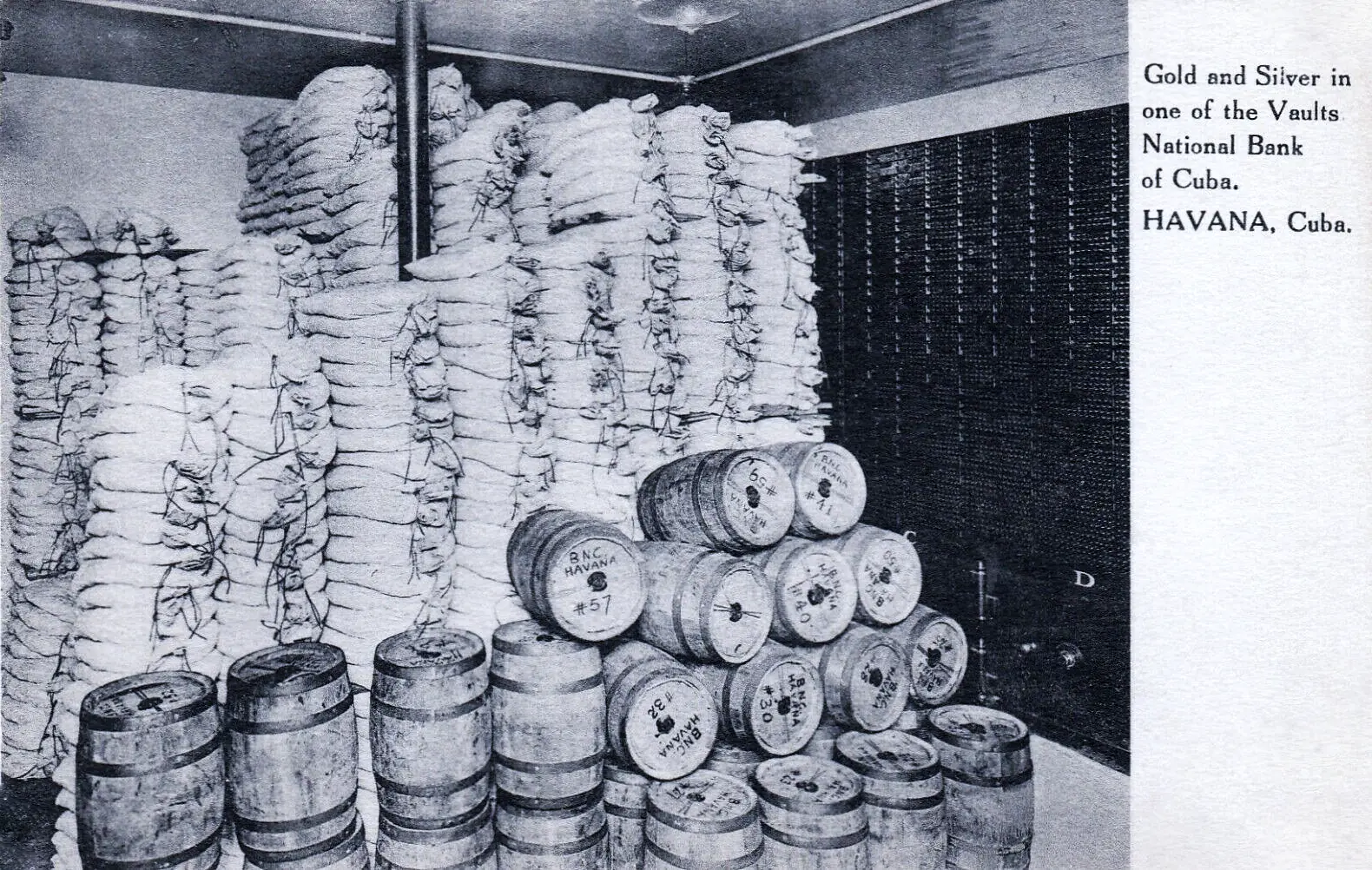
Once verified, each parcel is sealed with tamper-evident seals. Every hand-over is signed for, and insurance covers storage and transport.
We obtain export permits, pay royalties, and prepare the certificate of origin and shipping documents. High-value parcels fly with secure-logistics firms; bulk minerals travel by sea.
What we check
Equipment at this step
Step 7 of 7 · Settle
In short
The price is set against an agreed benchmark and paid through regulated banks, with a full document pack.
Metals are priced against an international benchmark on an agreed date, adjusted for measured purity. Gemstones and industrial minerals are priced per lot or per specification.
Payment moves only through regulated banks. The buyer receives a complete document pack for their records and auditors.
What we check
Commodity by commodity
Gold, gemstones and coal are mined and handled very differently. Open any mineral to follow it from raw extraction to the finished piece, with photographs and film at every stage.